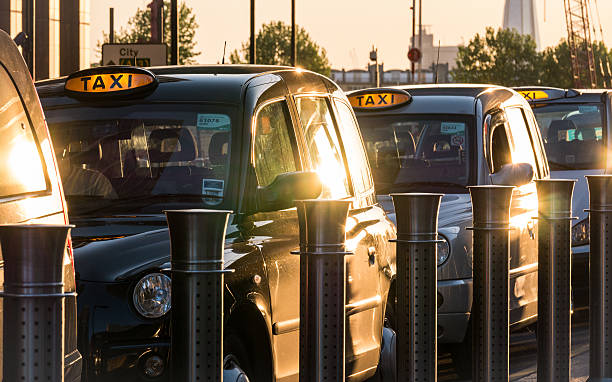
With smartphones in nearly every pocket, ride-hailing apps have become the default choice for many. But despite their rise, traditional taxis continue to hold strong appeal, especially in the UK. A surprising number of passengers still wave down black cabs or call their trusted local firm. It’s not about nostalgia. For many riders, choosing a taxi is a conscious decision rooted in trust, safety, and reliability.
One of the main reasons is that taxis are often quicker to access, particularly in city centres. There’s no need to wait for a driver circling the area or to deal with app glitches during peak times. Licensed taxis can legally stop when hailed, which is useful in areas with heavy foot traffic or where mobile signals are weak. For passengers in a rush, this convenience matters.
Another factor is transparency. Taxis follow regulated fare structures that are clearly displayed. Passengers know what they’re paying for, and there’s less chance of “surge pricing” surprises. This clarity can be comforting, especially for older passengers or those unfamiliar with app-based systems. Being able to get a receipt or file a formal complaint through local authorities also adds to the sense of accountability.
Safety also plays a role in passengers’ decisions. UK taxi drivers undergo background checks, knowledge tests, and regular vehicle inspections. The licensing process is stricter compared to some app-based platforms. For many people, especially solo travellers or those riding at night, the assurance that their driver is fully vetted offers peace of mind. There’s an added layer of security knowing that if something goes wrong, the driver’s identity and license are on record with a local council.
Then there’s the matter of service quality. Some passengers feel that taxi drivers, particularly those with years of experience, offer a more professional ride. They know shortcuts without relying solely on GPS, they’ve mastered customer service, and many are seasoned at dealing with a range of situations. Unlike app-based drivers who may be newer or driving part-time, long-term taxi drivers tend to approach the job as a career rather than a side hustle.
What most passengers don’t think about but benefit from indirectly is the protection that comes from proper taxi insurance. Unlike regular car insurance policies, specialist taxi insurance is specifically designed for carrying passengers in exchange for payment. Depending on the insurance provider and level of cover, it can cover passenger liability, damage to the vehicle while on the job, and other risks that come with working on the road every day. This isn’t just about following the law. It’s about providing a safer environment for riders. If there’s an accident or an issue during the trip, the right cover ensures that everyone involved is protected.
For many riders, especially those with children or elderly family members, that behind-the-scenes layer of responsibility matters. There’s a quiet confidence that comes with stepping into a vehicle that’s passed inspections, driven by someone who meets regulatory standards and holds valid insurance tailored to the job.
Some also prefer the personal connection. Regular customers often develop a rapport with their local taxi driver. They might have a favourite number to call or even request a specific driver by name. That familiarity builds trust. It’s not just a ride. It’s a relationship based on reliability over time.
In smaller towns or rural areas, traditional taxis are sometimes the only real option. Not all places have access to app-based services, and even when they do, coverage can be spotty. In contrast, local taxi firms tend to know their communities well and can respond to specific needs more efficiently.
The choice between taxis and ride apps comes down to what passengers value most. While digital convenience has its place, many still favour the structure, standards, and straightforwardness that taxis offer. From clear pricing and local expertise to regulated service and appropriate taxi insurance, traditional cabs continue to earn passenger loyalty not just through habit, but through dependable service that feels safe and personal.