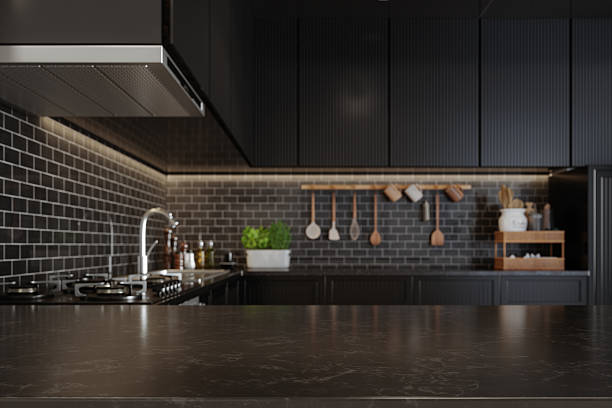
Luxury kitchens in 2026 are becoming more disciplined. The focus is shifting away from obvious statement pieces and moving toward spaces that work better, feel calmer, and hold up over time. Instead of chasing visual impact, homeowners are paying closer attention to layout, storage, material quality, and how the kitchen supports daily routines.
Layout Comes First
The biggest change is not visual. It starts with planning. Designers are paying closer attention to how people move through the kitchen across the day. Preparing food, cleaning, storing items, and even quick tasks like making coffee are being mapped out before materials are chosen. Instead of one open space handling everything, kitchens are being organised into clear zones. These zones are not always visible, but they affect how the room functions.
According to the National Kitchen and Bath Association 2025 Design Trends report, workflow efficiency and zoning are now key priorities in high-end kitchens. This reflects a broader shift toward usability. A kitchen that reduces unnecessary steps tends to feel more refined over time, even if it looks simple at first.
Storage Is Doing More Work
Clutter has become one of the main concerns in modern kitchens, especially in high-end homes where clean lines are expected. Instead of adding more visible storage, designers are improving how storage is built into the space. Full-height cabinetry, deep drawers with internal organisers, and concealed compartments are becoming standard. Appliances are also being hidden behind panels to maintain a consistent surface.
This is where luxury kitchen designs are changing in a noticeable way. The goal is not to display items, but to keep surfaces clear without making storage difficult to access. Data from Houzz shows a steady rise in demand for hidden storage features, including appliance garages and flush cabinetry. These choices reduce visual noise and make the kitchen easier to maintain day to day.
Materials Are Chosen for Longevity
Material selection is becoming more restrained. Highly polished finishes and overly decorative surfaces are being replaced with materials that age well. Natural stone, wood with visible grain, and matte finishes are more common. These materials are not always uniform, but that variation is part of their appeal.
According to Architectural Digest, homeowners are moving toward materials that feel durable and authentic rather than perfect. The thinking is straightforward. A kitchen should not feel dated after a few years. It should hold up visually and physically over time. This approach also changes how luxury kitchen designs are perceived. Instead of focusing on flawless surfaces, the emphasis shifts to materials that can handle regular use without losing their character.
Lighting Is Planned Early
Lighting is now part of the core design, not an afterthought. Kitchens are being designed with layered lighting systems that adjust to different tasks and times of day. Task lighting supports food preparation, while ambient lighting softens the space in the evening. Concealed LED strips are often used under cabinets and inside storage areas to improve visibility without adding visual clutter.
These details are not always obvious, but they influence how comfortable the kitchen feels. A well-lit space reduces strain, improves accuracy when working, and allows the room to transition easily from functional to relaxed. In many luxury kitchen designs, lighting is used to guide how the space is experienced rather than simply to illuminate it.
A More Measured Definition of Luxury
There is a clear pattern across these changes. Luxury is becoming less about what stands out and more about what works without effort. A kitchen that maintains order, supports movement, and feels comfortable throughout the day tends to leave a stronger impression than one built around visual impact alone. That is why many luxury kitchen designs in 2026 appear quieter. The design work is still there, but it is less visible.
This direction may not appeal to everyone. Some still prefer bold features and expressive layouts. But for many homeowners, the priority is shifting. They are choosing kitchens that feel consistent, efficient, and easy to live with.