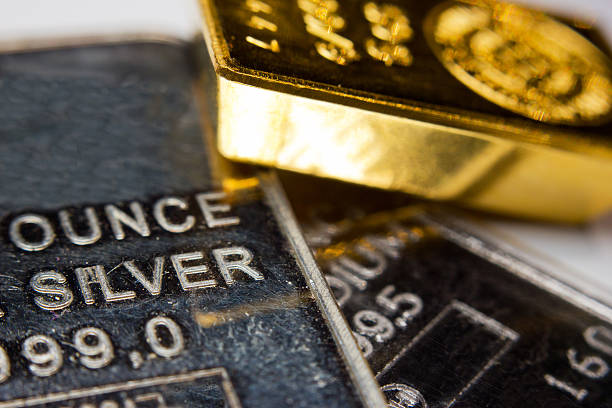
In many parts of Southeast Asia, people grow up seeing gold everywhere. Families keep small pieces for important moments, shops display bright necklaces in long rows, and prices show up on signs outside markets. Because of this long cultural connection, traders often feel a quiet sense of familiarity when they look at gold and silver on their screens. These metals may rise and fall like anything else, yet they carry a steadier mood that attracts those who want something less chaotic.
When traders first explore global markets, the fast pace of currencies or indices sometimes feels overwhelming. Charts move too quickly, and sudden spikes can unsettle them. That is when some turn their attention to metals. Gold and silver behave differently. They do not always move slowly, but their changes often feel smoother. People sense this difference even before they understand the technical side. Over time, this comfort leads them deeper into precious metals trading, where decisions still require thinking but feel less noisy.
Many beginners start by watching gold prices before they trade anything. They refresh charts during lunch breaks, check prices on their phones while waiting for transport, or read small updates posted in trading groups. These quiet observations help them understand how metals react to global events. They notice how prices respond to interest rate news, political tension, or sudden shifts in demand. The more they study these moments, the more they build confidence.
Some traders enjoy the balanced nature of these markets. They feel that gold and silver often represent a form of stability during uncertain times. Even if prices dip, the movement rarely feels reckless. This sense of steadiness matters to users who prefer a calmer environment. It helps them stay patient and avoid emotional decisions. They create routines around metals, checking charts at the same times each day and adjusting their views slowly rather than chasing instant reactions.
Silver draws attention for a different reason. It moves more sharply than gold, offering chances for short term strategies. Traders who want a mix of calm and excitement find it appealing. They place small positions to test how it behaves. Some enjoy how silver creates opportunities without feeling as wild as some other markets. Over time, they learn how to manage its swings by studying historical behaviour and practising discipline.
One reason metals feel approachable is that charts often display clear trends. When gold climbs steadily, traders can follow the movement without too much doubt. When it drifts sideways, they take time to reassess. These clean shapes help beginners avoid confusion. They do not need complex setups to spot momentum. Simple lines and straightforward patterns often guide their decisions. This simplicity becomes a strong reason why many continue exploring precious metals trading rather than shifting to more complex assets.
Regional habits play a role too. Many people learned early in life that gold symbolises security. Families talk about saving it for the future, and shops adjust prices throughout the day. This cultural familiarity makes traders feel comfortable managing gold on a screen. They may not fully trust new financial tools, but they understand the appeal of a metal that has meaning beyond numbers.
Even with this sense of security, traders remain cautious. They recognise that metals still react to global uncertainty. Prices may jump or fall when international news breaks. Because of this, they set small limits, use stop orders, and avoid acting when unsure. They treat each decision with the respect it deserves, understanding that even calm markets hold risk.
As they gain more experience in precious metals trading, many traders begin to appreciate how these assets balance emotional and practical needs. Gold offers a steady hand, silver adds movement, and both sit comfortably within a trader’s wider approach. This blend suits people who want growth without feeling overwhelmed.